
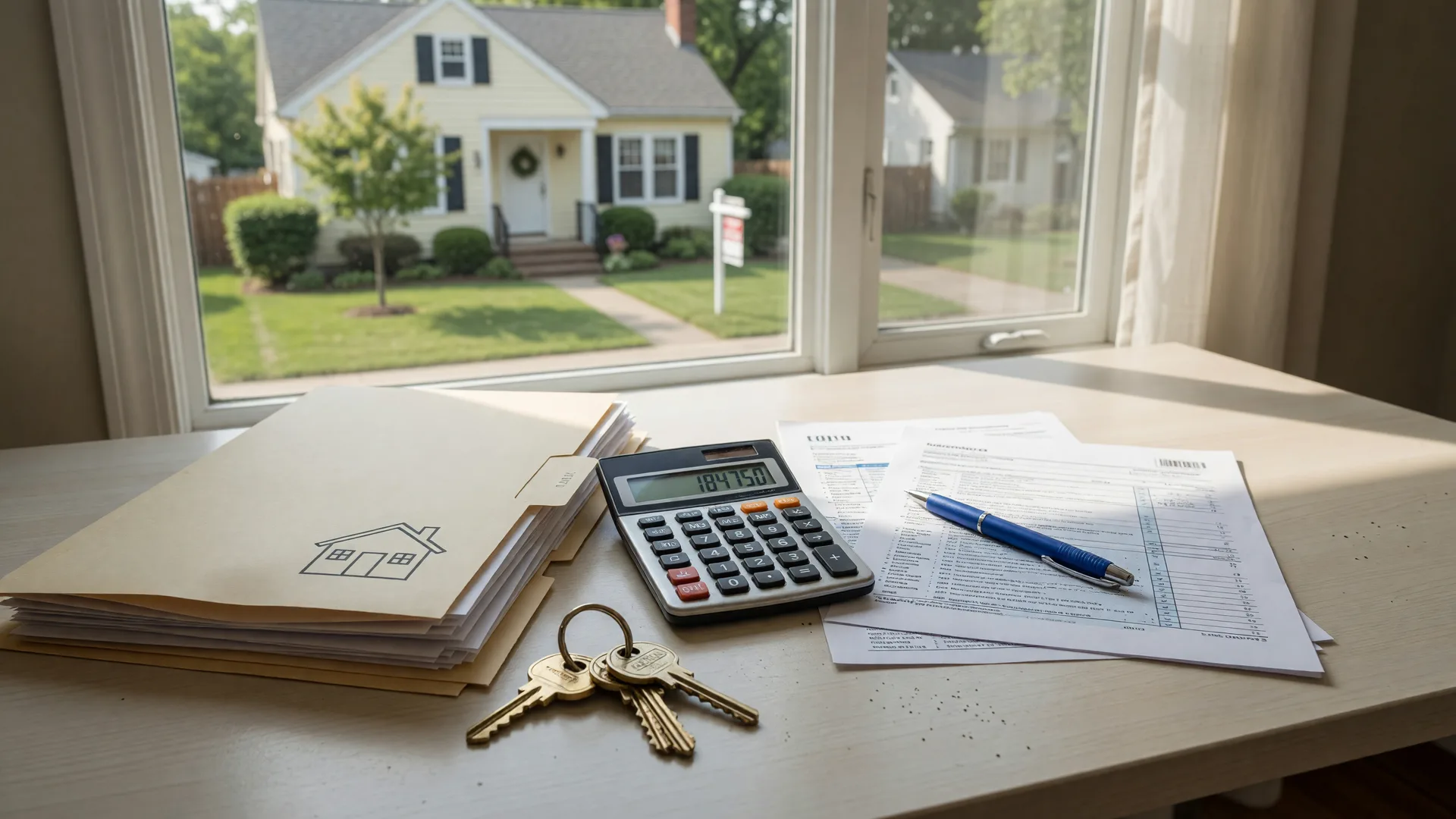
Most FSBO sellers run the numbers on commission savings and forget the tax line entirely. That is a mistake, because the home sale gain exclusion is the number that decides what you actually keep. Under Section 121 of the tax code, you can still exclude up to $250,000 of gain as a single filer, or $500,000 filing jointly, and the 2025 tax law did not change those limits. For most sellers the exclusion is generous enough that no tax is owed at all; the sellers who get surprised are the ones who never tracked their cost basis.
The Rules You Must Meet
To qualify, you generally must have owned and lived in the home as your principal residence for at least two of the five years before the sale, and you can use the exclusion only once every two years. The two years do not have to be the final two. If you fall short because of a job change, a health issue, or other unforeseen circumstances, a partial exclusion may still apply. Gains above the exclusion are taxed at long-term capital gains rates, which start at 0% in 2026 up to $49,450 for single filers and $98,900 for married couples filing jointly.
Your Basis Is Where the Math Gets Done
The real lever is your cost basis, which is what you subtract from the sale price to find your gain. Your basis starts at what you paid plus certain closing and settlement costs, and it grows with every capital improvement. A new roof, an upgraded HVAC system, a remodeled kitchen or bath, an addition, new siding, a deck, or a fence all add to your basis and lower your taxable gain. Routine repairs, such as painting, patching leaks, or replacing broken window panes, do not count. Keep receipts, permits, and before-and-after photos for every qualifying project.
Why This Matters More in 2026
After years of strong appreciation, more homes have built up gains large enough to test the exclusion, especially where prices have risen sharply since purchase. If you bought at a low point, a strong sale price can push your gain toward or past the limit. Knowing your basis now, before you price and list, keeps the tax line from becoming a surprise at closing.
Improvements That Raise Basis Also Help You Sell
The improvements that protect your tax position are often the same ones that help your home sell. Because capital improvements add to your basis while preparing the home, a program like Notable Pay at Close, available through Coldwell Banker Realty, lets you finance qualifying pre-listing work with nothing due out of pocket until closing, repaid from your sale proceeds. That pairs the presentation and the tax benefit in one move.
Keep Your Whole Sale in Order
Tax is one line of many. Run the FSBO seller checklist to keep pricing, marketing, and documents straight, and walk through the closing process so you know every cost that comes out of your proceeds. Record-keeping and disclosure rules also differ by state, so review the requirements for Connecticut, Washington, D.C., and Maryland before you list. This is general information, not tax advice, so confirm your numbers with a CPA or enrolled agent before relying on them.
Your Next Step
The difference between a well-run FSBO sale and one that leaks money is in the details, and the tax details are easy to miss. Robert Clarke offers a free, no-obligation consultation to review your situation, including the records that protect your gain. Email him at robert.clarke@cbrealty.com or schedule a call.