
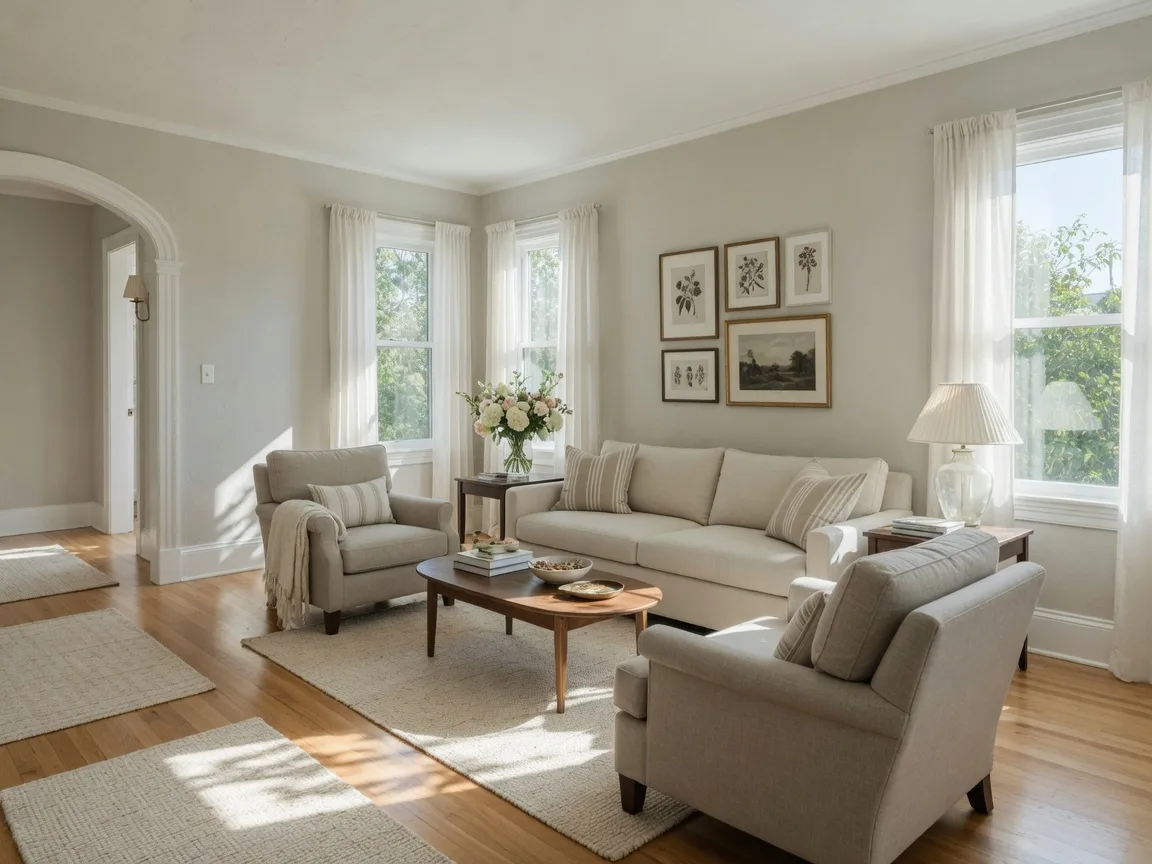
First impressions matter enormously in real estate. Before a buyer ever reads your listing description or checks your asking price, they'll form an opinion based on photos and the condition of your home. The preparation phase is where FSBO sellers can gain — or lose — the most value. A well-prepared home can sell faster and for more money, while a neglected presentation can turn buyers away regardless of price.
Declutter and Depersonalize
This is the single most impactful thing you can do to prepare your home for sale — and it costs nothing but time and effort. Buyers need to envision themselves living in your space, which is difficult when surfaces are covered with personal items, collections, and daily clutter.
- Clear countertops in kitchens and bathrooms. Remove small appliances, toiletries, and decorative items. A clean counter signals a well-maintained home.
- Remove personal photos and family memorabilia. Replace with neutral artwork or simple decor. This isn't about making the home feel empty — it's about making it feel like anyone's home.
- Thin out closets and storage spaces. Buyers will open closets. Half-full closets suggest ample storage; overstuffed ones suggest the opposite.
- Clear floors and surfaces of excess furniture. If a room feels crowded, remove a piece or two. More open space makes rooms feel larger.
- Tackle the garage, basement, and attic. These spaces are often catch-alls for clutter. A clean garage or organized basement makes a strong impression.
Consider renting a temporary storage unit for items you want to keep but don't need during the selling period. The investment is usually small compared to the impact on your sale price.
Make Small Repairs
You don't need to renovate your home to sell it, but addressing small, visible issues signals to buyers that the property has been well-maintained. Focus on repairs that are inexpensive but have outsized visual impact:
- Fix leaky faucets and running toilets. These are inexpensive to repair and buyers (and inspectors) will notice them immediately.
- Touch up paint. Scuffs, nail holes, and faded patches are easy fixes. Stick to neutral colors — soft whites, warm grays, or light beiges.
- Replace burned-out light bulbs and clean all light fixtures. Bright homes feel inviting; dim rooms feel dated.
- Tighten loose hardware. Door handles, cabinet pulls, and outlet covers that are loose or missing signal neglect.
- Re-caulk bathrooms and kitchens. Fresh caulk around tubs, showers, and sinks makes these rooms look newer and cleaner.
- Fix squeaky doors and sticky locks. These small annoyances create a subconscious impression of deferred maintenance.
Deep Clean Everything
Cleanliness is non-negotiable. A sparkling clean home photographs better, shows better, and signals pride of ownership. Consider hiring a professional cleaning service for a deep clean — it's one of the best investments you can make before listing.
- Windows: Clean inside and out. Clean windows let in more light and make rooms feel brighter.
- Carpets: Steam clean or replace heavily worn carpets. If you have hardwood, make sure it's clean and polished.
- Baseboards and trim: Wipe down all baseboards, door frames, and crown molding. These details matter more than you think.
- Kitchen appliances: Clean the oven, microwave, refrigerator (inside and out), and dishwasher. A clean kitchen is a major selling point.
- Bathrooms: Scrub tile grout, clean mirrors, and ensure all fixtures are gleaming.
Staging Your Home
Professional staging can increase a home's sale price by 1–5% according to the National Association of Realtors. But you don't need a professional stager to make a significant impact. Here are key staging principles you can apply yourself:
- Focus on the living room, kitchen, master bedroom, and bathrooms. These are the rooms buyers care about most.
- Define each room's purpose. A bedroom should clearly look like a bedroom, not an office-gym-storage hybrid.
- Add fresh elements: A vase of fresh flowers, a bowl of lemons on the kitchen counter, or a new bath towel set can make a space feel cared for and inviting.
- Maximize natural light. Open all curtains and blinds before showings. Replace heavy drapes with sheer panels if needed.
- Use mirrors strategically. A well-placed mirror can make a small room feel larger and brighter.
- Create curb appeal. Mow the lawn, trim bushes, plant seasonal flowers, and clean the front door. The exterior is the first impression.
Photography: Your Most Important Marketing Asset
In today's market, buyers decide whether to click on your listing based on the first photo they see. Poor photos — dark, blurry, or poorly composed — will kill interest before anyone reads a word of your description.
Here's what matters most:
- Hire a professional photographer. This is not the place to save money. A professional real estate photographer costs $150–$400 and can dramatically increase interest in your listing. The return on investment is almost always positive.
- Schedule photography for the right time. Shoot during the day when natural light is best — typically mid-morning or early afternoon. Turn on all interior lights.
- Shoot wide angles. Wide-angle shots make rooms feel spacious. Avoid fisheye lenses, which can distort proportions.
- Capture the key rooms: exterior front, living room, kitchen, master bedroom, master bathroom, and any standout features (deck, yard, view).
- Consider drone photography if your property has notable exterior features, a large lot, or a scenic setting.
Pre-Inspection: To Do or Not to Do?
Some FSBO sellers choose to get a pre-listing inspection before putting their home on the market. This can be a smart move: it identifies issues before buyers discover them, gives you the chance to make repairs on your terms, and builds buyer confidence when you can present a clean inspection report.
A pre-listing inspection typically costs $300–$500 and covers the same ground a buyer's inspection would. Even if you choose not to share the report, it gives you valuable information about your home's condition and helps you set realistic expectations.
The Preparation Timeline
Ideally, start preparing your home 4–6 weeks before you plan to list. Here's a rough timeline:
- Weeks 1–2: Declutter, depersonalize, begin small repairs
- Weeks 2–3: Complete repairs, deep clean, begin staging
- Week 3–4: Schedule and complete professional photography
- Week 4–5: Final staging touches, yard work, prepare listing materials
- Week 5–6: Go live with your listing
The effort you invest in preparation pays dividends throughout the entire selling process — from the first showing to the final negotiation. As Robert Clarke often says: "A well-prepared home practically sells itself. The preparation is where you earn your savings."
Ready to move beyond preparation? Continue to Pricing Your Property to learn how to set the right asking price, or see our complete FSBO checklist for a detailed task list at every stage.